A linked Slave setup.
Hardware and vehicle-group activation matched to your intended work. We confirm the package, manufacturer link and connection requirements before you order.

THE EAGLE TUNING DEALER PROGRAM
Start with an Eagle-linked Slave tool, 10 Stage 1 file credits and a calibration team behind your workshop. Custom files. Included logging access. Practical technical support.

15 years in tuning.Led by a computer engineer.
Your workshop. Your customers.An Eagle-linked Slave setup behind your service.
Based in Connecticut.Practical technical support for your workshop.
YOUR SLAVE TOOL IS THE STARTING POINT
Choose a Slave package connected to Eagle Tuning. Add custom ECU and supported TCU tuning to the work your customers already trust you to do.
Hardware and vehicle-group activation matched to your intended work. We confirm the package, manufacturer link and connection requirements before you order.
Every confirmed dealer package includes 10 Stage 1 file credits. Stage 1 uses 1 credit; Stage 2 uses 2. Use the allowance within 90 days of activation.
Send the original read, fuel, hardware and vehicle brief. We prepare the agreed calibration around the actual application and requested data.
Active supported dealers receive logging access without a separate logging-service charge. We help establish the connection and channels for the job.
Get help with the approved connection method, ECU handling and the next step when a write or a bench job needs closer attention.
Ask about vehicle-data API access and help planning your dealer site. Present supported stage data and required mechanical upgrades to your customers.
You handle the vehicle, bookings and customer relationship. You choose how to price your service. Eagle Tuning prepares the agreed calibration and works with you through the required logging and review process. Start with a Slave package matched to your customers, then build experience one supported application at a time.
FROM YOUR SLAVE PACKAGE TO THE CUSTOMER’S VEHICLE
A clear process for adding a professional tuning service to your shop.
Choose your Slave package. We confirm the hardware, manufacturer link, active vehicle groups and setup requirements before your first customer job.
Check the vehicle, identify its controller and follow the device’s connection instructions. Preserve the original read and send the fuel, hardware and customer objective.
We review the accepted application and required data, then prepare the compatible calibration for your linked Slave workflow.
Program with the supported method, perform the agreed checks and collect the requested logs. We review the data with you and work through the agreed revisions.
LOG. REVIEW. REFINE. REPEAT.
Datalogging is a condition of joining the Eagle Tuning dealer program. Apply only if you are prepared to capture and share the requested vehicle logs, review the findings with us and repeat the process when a calibration is revised.
If you are not willing to collect the requested vehicle logs, please do not apply.
We tune for the performance the vehicle can support on its fuel, hardware and mechanical condition. The objective is consistent response, usable torque and a calibration supported by the data. If the logs call for a lower target, we lower it. A bigger peak number does not take priority over how the car actually runs.
Depending on the ECU and available channels, we review engine speed and load, requested versus actual boost, lambda, fuel pressure, ignition corrections, temperatures and torque intervention. We confirm the logging method and required data for the actual application before accepting the calibration job.
FREE ACCESS FOR ACTIVE DEALERS · SUPPORTED APPLICATIONS
Active Eagle Tuning dealers receive access to our supported logging workflow at no additional logging-service charge. We help establish the compatible software, connection and channels so you can supply useful data with the file. The required vehicle connection and hardware are confirmed for each application.
$66/month × 12
No additional dealer logging-service charge.
Confirm the vehicle, fuel, hardware, logging capability and channels we need to review.
Follow the agreed procedure using appropriate test conditions and send the complete log with the vehicle brief.
We assess the available data, prepare the agreed calibration revisions and explain the next checks.
Capture the requested follow-up data after programming so the next decision comes from the vehicle’s actual response.
REAL SUPPORT. DOWN TO THE ECU.
A dealer relationship should help with the practical work on your bench as well as the calibration file. Recep can work through the next step with you, from choosing the appropriate programming method to assessing a failed write.
If the accepted job requires opening the ECU, we can guide housing-specific separation points, controlled heating, suitable tool placement and the areas that need to be protected. Send the exact unit details before you start so the advice matches the controller in front of you.
Many supported modern Bench methods connect through the ECU connector. When an approved job does require board access or soldering, we can explain the preparation, connection points and technique for that unit, rather than leaving you to work it out alone.
Different ECUs, software versions and failure conditions call for different approaches. We help assess the tool and access method for the specific job, including when a second platform or a bench procedure is the more suitable route.
If remote guidance is not enough, speak with us about sending the ECU to Connecticut for assessment. We review the available backups, controller condition and recovery options, then agree the bench-work scope and shipping plan before the unit is dispatched.
CHOOSE THE PACKAGE THAT FITS YOUR CUSTOMERS
Compare the fixed package prices, then request your written quote. We confirm the hardware, activation, manufacturer link and subscription terms before you order.

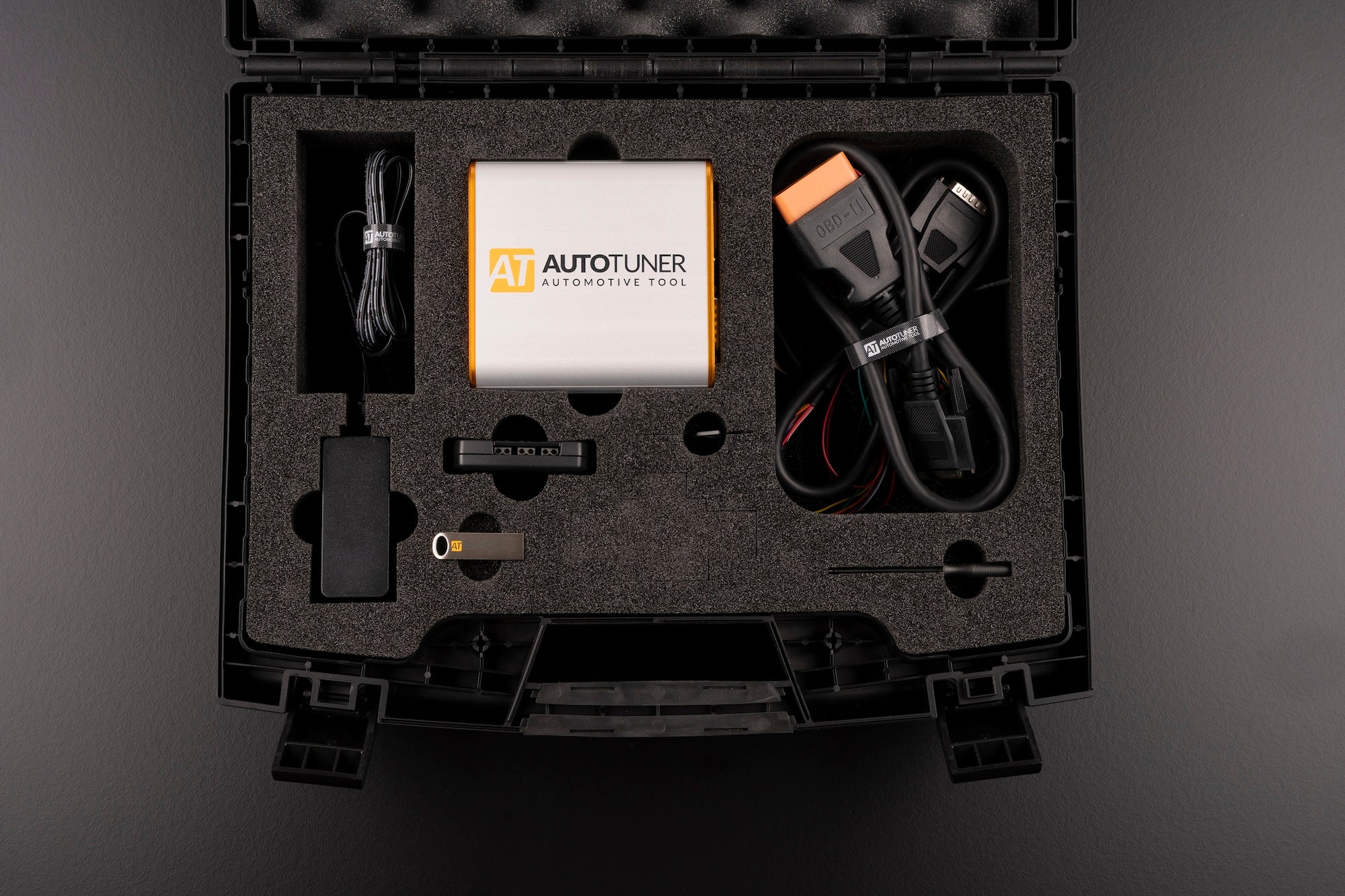

Equipment configuration and included accessories are confirmed in your written quote.
| Tool / package | Package price | Software & renewals | Dealer link / commitment |
|---|---|---|---|
| Alientech KESS3Car / LCV Slave package | $2,500Car / LCV configuration | Annual subscription renewal: €600 per 12 months. Current manufacturer software, enabled protocols and an active required subscription are mandatory. | Slave only under this offer. Linked to Eagle Tuning. The subsidized offer carries a five-year restriction on upgrading to Master. |
| AutoTunerSlave hardware + included protocols | $3,250 | No annual tool subscription. The latest manufacturer software and protocol updates must be installed before work begins. | Slave linked exclusively to Eagle Tuning. A 24-month commitment applies. No change of Master or Master upgrade during that period. |
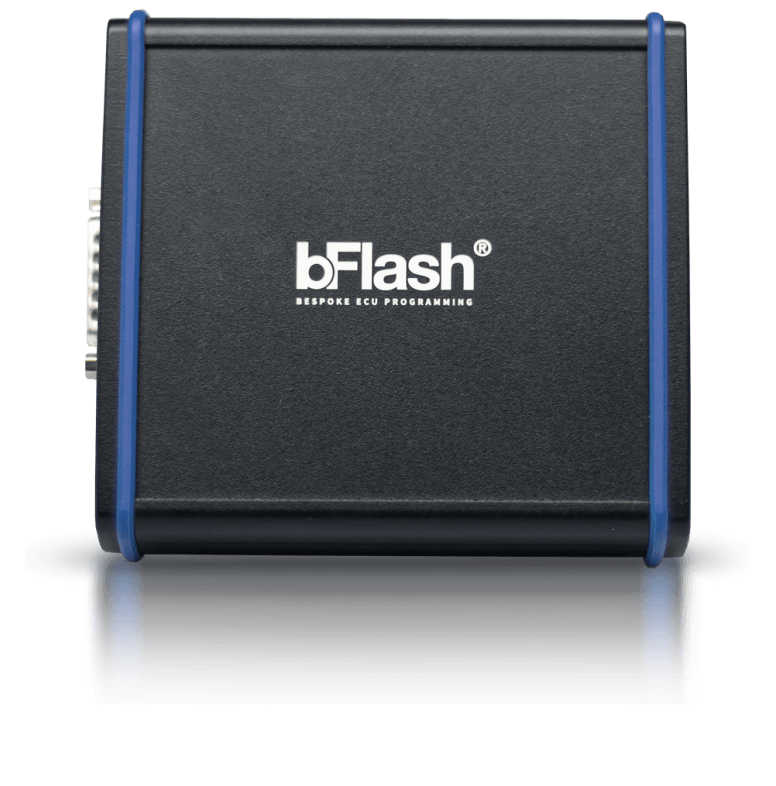
| bFlashSlave hardware + protocol package | $3,250 | First 12 months of the tool subscription included. Renewal: €420 per 12 months. Keep the subscription active and device software current. | Slave linked to Eagle Tuning. A 24-month file-service commitment applies. Master changes and independent Master upgrades are restricted during this term. |
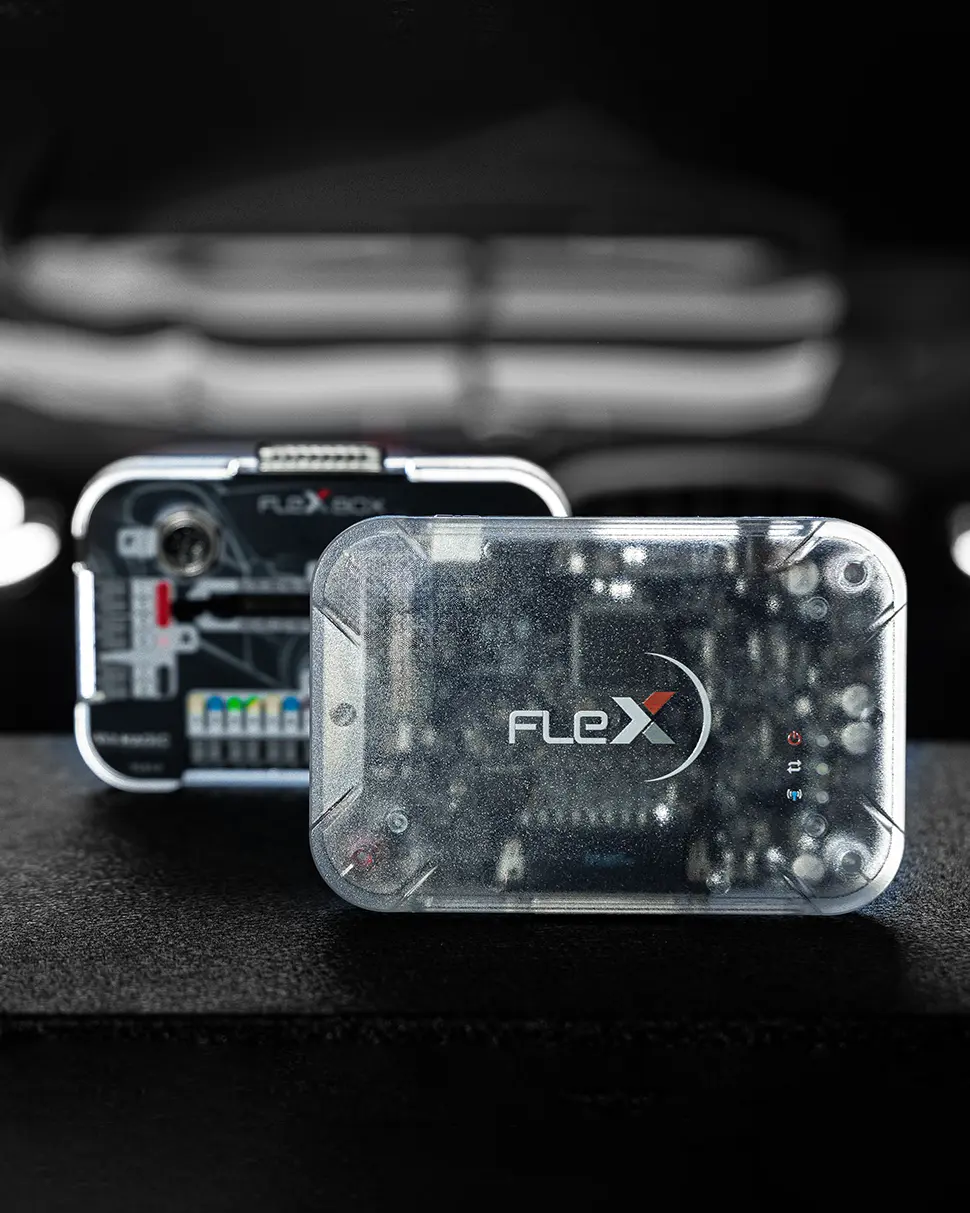
| Magicmotorsport FLEXFull Slave package | $3,500 | Full Slave annual subscription renewal: €500 per 12 months. Current manufacturer software, enabled protocols and an active required subscription are mandatory. | Slave package linked to Eagle Tuning. Activation scope and manufacturer link or upgrade conditions are confirmed before ordering. |
| Flashtec CMDFlashCMDFlash Slave dealer package | $5,000 | Annual subscription renewal: €1,000 per 12 months. Current manufacturer software, enabled protocols and an active required subscription are mandatory. | Request a CMDFlash Slave configuration for the Eagle Tuning dealer program. Exact hardware, protocol activation, link conditions and final package scope must be confirmed in the written quote. |
Device package prices are fixed in US dollars. Annual tool subscriptions and renewals are listed separately in euros and cover 12 months; these EUR amounts are not converted into USD. Every dealer package includes 10 Stage 1 file credits: Stage 1 uses 1 credit and Stage 2 uses 2. Promotional credits expire 90 days after package activation. Current device software, protocols and any required subscription are mandatory. Final availability, tax, shipping, software scope, renewals and device-link commitments are confirmed in a written quote. Additional calibration work is quoted separately. Submitting an application does not create an order.
OBD · Bench · Boot
$2,500 · Car / LCV Slave package
Build your Slave setup around the work your shop sees most. KESS3 combines supported OBD, Bench and Boot programming in Alientech Suite, with vehicle-group activations chosen for your customers.
The $2,500 Car / LCV Slave package is linked to Eagle Tuning. We confirm its active vehicle groups and protocols before you order, then supply compatible calibration through the linked workflow.
Coverage: Cars / LCV, bikes / ATV / UTV, truck / agriculture, marine / PWC — by activated group and protocol.
Software: Annual subscription renewal: €600 per 12 months. Current manufacturer software, enabled protocols and an active required subscription are mandatory.
Dealer terms: Slave only under this offer. Linked to Eagle Tuning. The subsidized offer carries a five-year restriction on upgrading to Master.
Request my Alientech KESS3 package ↗OBD · Bench · Boot
$3,250 · Slave hardware + included protocols
A straightforward Slave package for workshops focused on supported cars and light commercial vehicles. AutoTuner brings OBD, Bench, Boot, guided connections and supported logging into one tool.
Your $3,250 package is linked to Eagle Tuning. Read the customer's vehicle, send the brief and requested data, then write the compatible calibration we prepare for that job. No annual tool subscription; current software is still required.
Coverage: Supported passenger cars and light commercial vehicles; check the current ECU / TCU list.
Software: No annual tool subscription. The latest manufacturer software and protocol updates must be installed before work begins.
Dealer terms: Slave linked exclusively to Eagle Tuning. A 24-month commitment applies. No change of Master or Master upgrade during that period.
Request my AutoTuner package ↗OBD · Bench · Boot · BDM / JTAG on supported units
$3,250 · Slave hardware + protocol package
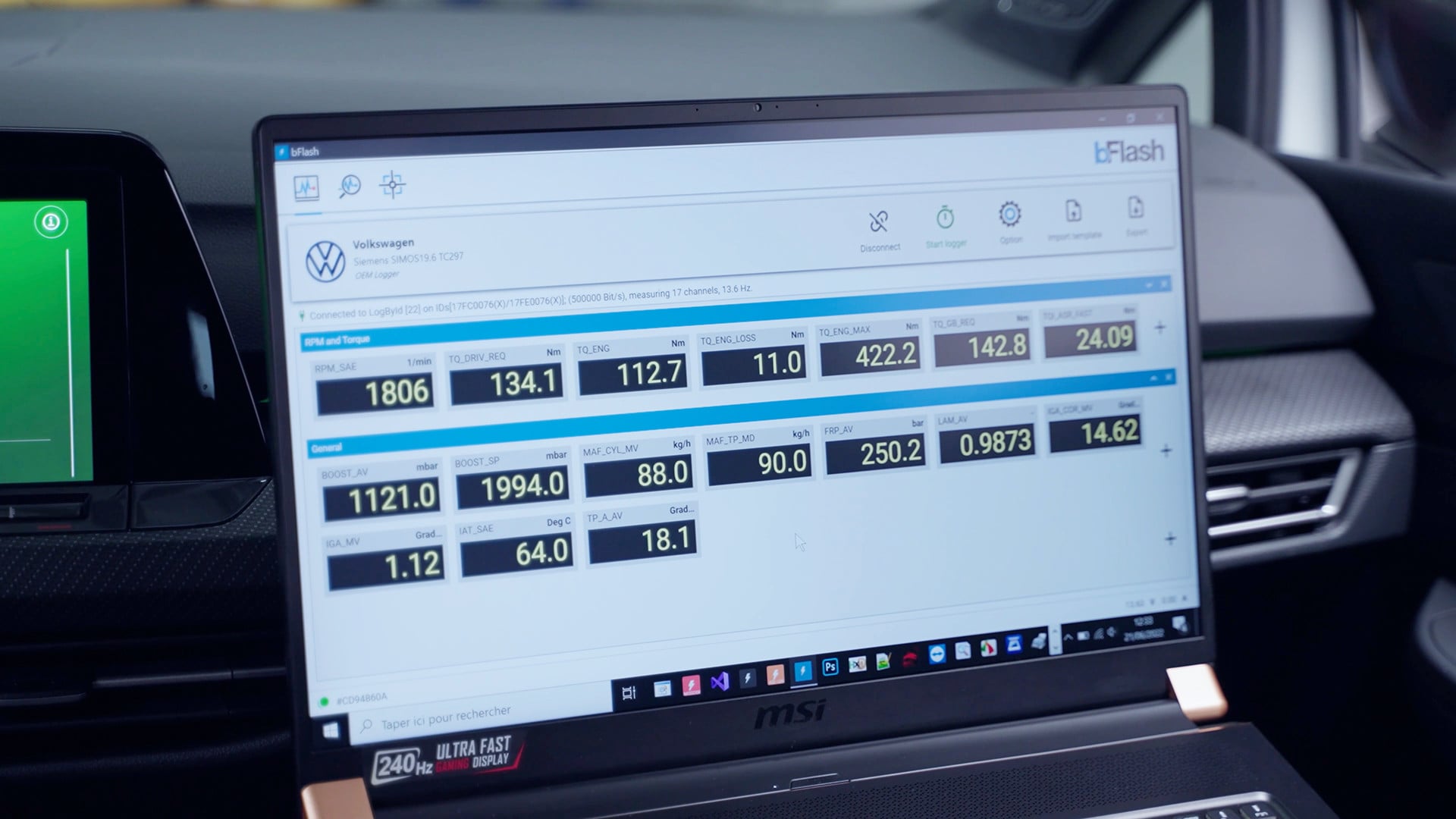
Choose bFlash when programming, diagnostics and supported datalogging need to work together. The $3,250 Slave offer includes the first 12 months of tool subscription.
Your device is linked to Eagle Tuning. Available read / write, logging and real-time functions depend on the controller and protocol; we confirm what the package supports for your intended applications.
Coverage: Supported ECU / TCU applications, with logging and diagnostic features dependent on the controller.
Software: First 12 months of the tool subscription included. Renewal: €420 per 12 months. Keep the subscription active and device software current.
Dealer terms: Slave linked to Eagle Tuning. A 24-month file-service commitment applies. Master changes and independent Master upgrades are restricted during this term.
Request my bFlash package ↗OBD · Bench · Boot; other access modes by protocol
$3,500 · Full Slave package
Choose a vehicle-group Slave activation or the Full Slave package. FLEX gives your workshop guided controller connections and a modular route into supported ECU and TCU work.
The FLEX Full Slave package is $3,500. We confirm the included hardware, enabled software and supported protocols before ordering. The annual Full Slave renewal is €500.
Coverage: Configured software groups and supported ECU / TCU protocols; cars, bikes and other sectors by activation.
Software: Full Slave annual subscription renewal: €500 per 12 months. Current manufacturer software, enabled protocols and an active required subscription are mandatory.
Dealer terms: Slave package linked to Eagle Tuning. Activation scope and manufacturer link or upgrade conditions are confirmed before ordering.
Request my Magicmotorsport FLEX package ↗New Genius: serial / OBD · New Trasdata: Bench / Open modes
On request · Vehicle groups and hardware specified in your quote
New Genius provides supported serial / OBD programming; New Trasdata provides controller-specific Bench and Open access. We help select a new Slave setup around the vehicles your workshop plans to serve.
Hardware, licensed vehicle groups, accessories and the dealer link are itemized before ordering. Request a package quote for your sector.
Coverage: Application-specific car, motorcycle, commercial, agriculture and other Dimsport coverage.
Software: Hardware, vehicle-group activation, accessories and subscriptions quoted together. Current manufacturer software, enabled protocols and any required subscription are mandatory before work begins.
Dealer terms: Request a new Dimsport Slave package linked to Eagle Tuning. Device, vehicle groups and activation are agreed in your written quote.
Request my Dimsport package ↗OBD · Bench / Boot according to the licensed module
PCMflash is part of the specialist equipment landscape used for controller-specific bench work and programming. Access depends on the exact hardware, licensed modules and supported procedure.
Your dealer purchase starts with a linked Slave package. We assess any specialist bench procedure separately when the actual job requires it.
Coverage: ECU / TCU families enabled by the selected module; the interface must also support the operation.
Software: Specialist bench assessment and any additional work are agreed before dispatch.
Dealer terms: This profile describes specialist technology behind the service; select a linked Slave dealer package above.
OBD · Bench · Boot / BDM according to configuration
$5,000 · CMDFlash Slave dealer package
CMDFlash offers controller-specific programming, diagnostics and logging capabilities. Request a Slave configuration matched to the applications you want to serve.
The CMDFlash Slave dealer package is $5,000. Your written quote confirms the hardware, enabled protocols and included subscription period before ordering. Annual subscription renewal is €1,000.
Coverage: Supported ECU / TCU, diagnostic and logging functions according to hardware and activation.
Software: Annual subscription renewal: €1,000 per 12 months. Current manufacturer software, enabled protocols and an active required subscription are mandatory.
Dealer terms: Request a CMDFlash Slave configuration for the Eagle Tuning dealer program. Exact hardware, protocol activation, link conditions and final package scope must be confirmed in the written quote.
Request my Flashtec CMDFlash package ↗Module and hardware dependent
MMC Flasher is part of the specialist equipment landscape used for controller-specific bench work and programming. Access depends on the exact hardware, licensed modules and supported procedure.
Your dealer purchase starts with a linked Slave package. We assess any specialist bench procedure separately when the actual job requires it.
Coverage: The exact MMC Flasher module, controller and compatible interface determine the available workflow.
Software: Specialist bench assessment and any additional work are agreed before dispatch.
Dealer terms: This profile describes specialist technology behind the service; select a linked Slave dealer package above.
INCLUDED WITH EVERY DEALER PACKAGE
Every dealer package includes an allowance equal to 10 Stage 1 files. Use it across the supported applications agreed for your package. Promotional credits expire 90 days after dealer package activation.
Your included calibration allowance comes with your dealer package.
Use the full allowance for 10 Stage 1 calibrations.
Use the allowance for 5 Stage 2 files, or combine Stage 1 and Stage 2 work.
The 90-day period starts on your dealer package activation date. Unused promotional credits do not carry forward beyond that deadline.
Mix it to fit your work: 6 Stage 1 files + 2 Stage 2 files = 10 credits. Additional files, Stage 3, TCU work and other services are quoted separately.
YOUR WORKSHOP. YOUR WEBSITE. CONNECTED DATA.
Eagle Tuning dealers can request access to our vehicle tuning-data API and help planning a website around the services they offer.
For supported catalogue entries, the API supplies vehicle and engine-specific Stage 1, Stage 2 and Stage 3 power data together with the mechanical changes required for the relevant stage. Your customers can explore the available upgrade path on your own website before contacting your workshop.
If you want to build a website after becoming a dealer, I can help you plan the vehicle catalogue, service pages and data integration. Already have a site? We can discuss connecting it to the available API. The platform, access, available data and integration scope are agreed during onboarding.
Organize supported entries around the vehicle and engine your customer owns.
Display the available power data for each supported calibration stage.
Explain the supporting hardware needed for the selected upgrade path.
Discuss a new dealer site or a connection to your existing website.
Data availability depends on the exact vehicle, engine and stage. Published catalogue figures are reference information; the accepted calibration and supporting hardware are confirmed for the actual project.
Include website & API help in my enquiry ↗EXPERIENCE BEHIND THE INTERFACE
Fifteen years of tuning experience, a computer engineering background and long-standing relationships with the people behind the tools. That experience supports the workshop on the other end of your Slave device.
Recep K.
Owner · Tuner · Computer Engineer
I’m Recep, the owner and tuner behind Eagle Tuning. I’m a computer engineer with 15 years of tuning experience. My journey includes a university internship in Germany and years of building relationships with the people developing the tools we use today.
From early conversations with tool developers to long-standing friendships across the industry, those connections have grown alongside my work. Today, I bring that experience to our workshop in Connecticut and to the dealers we support.
AutoTuner
We were among AutoTuner’s first 100 Master users, working with the platform from its early community.
bFlash
Our conversations with Bruno began when bFlash was still a project, before its commercial launch.
Alientech
Our connection with Alientech goes back thirteen years, across several generations of programming equipment.
FEMTO
My friendship with the people behind FEMTO began in Russia, before their ECU unlock business.
PCMflash
We have known Oleg at PCMflash for years, alongside our work across different programming platforms.
Worldwide industry connections
Years of industry events and direct conversations have built relationships across the international tuning industry.
You get practical judgment behind the tool: help choosing a connection method, understanding the vehicle data and deciding what the next step should be.
Build my Slave package with Eagle Tuning ↗A SERIOUS SERVICE. A CLEAR STARTING POINT.
Be prepared to diagnose the vehicle, follow the programming procedure and complete the agreed checks. We discuss setup guidance before your first accepted job.
A supported computer, dependable internet, suitable power support and the correct connection equipment. Your quote confirms what comes with the Slave package.
Send the complete vehicle brief and requested logs. Stay involved through the review and follow-up process. Logging is a condition of the program.
Dealer file work and programming support require genuine, correctly licensed equipment with current manufacturer software and enabled protocols. Any subscription required by the tool manufacturer must remain active. Outdated software, expired activations or lapsed subscriptions must be brought up to date before work begins.
Your new Slave package is configured before customer work begins. Keep it current afterward: renew any manufacturer subscription when due and install the latest software, including on platforms with free updates.
Your written quote defines hardware, activations, accessories, renewals, manufacturer-link commitments and any additional work before you order.
Request my Slave package ↗Dealer questions
Workshops, mechanics and vehicle-service businesses buying a new Slave device package linked to Eagle Tuning. We help choose the hardware and vehicle-group activation around the customers you want to serve. Automotive experience, suitable equipment and a commitment to logging are required before customer work begins.
You focus on the vehicle, diagnostics, programming procedure and customer relationship. Eagle Tuning prepares the agreed calibration. We discuss the connection workflow and practical setup guidance for your package; independent calibration-development courses are a separate subject.
Look at the last two months of repair orders. List the engines you already diagnose regularly and count how many owners actually asked about tuning. Send us the top five combinations so we can compare coverage against work you can realistically book.
Yes, if you can reserve uninterrupted time for identification, programming and validation. Plan what happens to the front desk and other bays while you are responsible for a vehicle on the charger or dyno.
Describe where you will work and how you will provide stable power, internet, diagnostics and a controlled place to log. A driveway visit may suit identification. Schedule programming or validation at a partner workshop when the mobile setup cannot support the job.
Tell us how you will validate customer vehicles. A suitable partner dyno can be a practical solution. Check drivetrain compatibility, appointment availability and rental cost before offering dyno-verified results.
Pick a mechanically healthy vehicle you know, with documented hardware, known fuel and confirmed tool coverage. It gives you a repeatable first workflow. A big-turbo build adds fueling, instrumentation and scheduling questions that deserve a separate project review.
Your workshop takes the booking, diagnoses the vehicle, agrees the work and explains the result. Give Eagle one technical contact who can answer questions about the car while it is in your bay.
Assign one person to own the file version and the handover. Record who identified the controller, who programmed it and who captured the final log. Check manufacturer account rules before setting up another workstation.
If territory matters to your investment, ask about your city or ZIP codes before ordering. Treat exclusivity or lead referrals as part of the deal only if they appear in your written terms.
The confirmed Slave hardware and activation in your quote, 10 Stage 1 file credits, access to the supported dealer logging workflow and practical guidance for the agreed programming and calibration process. Required vehicle connection equipment, available channels and the scope of support are confirmed during setup.
Stage 1 uses 1 credit and Stage 2 uses 2 credits. Use the allowance for 10 Stage 1 files, 5 Stage 2 files or a mixture such as 6 Stage 1 plus 2 Stage 2. Promotional credits expire 90 days after dealer package activation; unused promotional credits do not carry forward. Stage 3, TCU and additional work are quoted separately.
Yes, when required by the tool manufacturer. Annual renewals are €600 for KESS3, €420 for bFlash, €500 for FLEX Full Slave and €1,000 for CMDFlash, each covering 12 months. bFlash includes the first 12 months. AutoTuner has no annual tool subscription, but the latest manufacturer software is still required. Device package prices are fixed in US dollars; these renewal amounts stay in euros and are separate from the device package price.
Your written quote confirms taxes, shipping, activation scope, subscription renewals and included accessories. Additional files, Stage 3, TCU work, specialist bench recovery and website development or integration may require a separate agreed scope. The package does not promise unlimited files, free hardware for every application or guaranteed vehicle coverage.
The five fixed Slave package prices are KESS3 Car/LCV at $2,500, AutoTuner and bFlash at $3,250 each, FLEX Full Slave at $3,500 and CMDFlash at $5,000. Choose your vehicle coverage first, then compare the renewal and equipment costs for that setup.
Divide your startup cost by what you keep per completed job after file cost, technician time, dyno rental, payment fees and other direct costs. At an illustrative $250 contribution per job, a $3,250 investment takes 13 jobs. Use your own numbers for a buying decision.
Add intake and diagnostic time, programming, logging, file cost and handover. Allow for support time and overhead, then add your target margin. Your workshop sets the customer price. A file credit covers only one part of the service you sell.
Build a 12-month forecast with your software renewal in euros, new file orders and any dyno or equipment expenses. Use normal paid file costs for that forecast since the introductory credits expire after 90 days.
Yes. A Stage 2 file uses two credits. Three Stage 2 jobs would use six of the ten credits and leave four available until the original expiry date.
Ask for current dealer file pricing before booking the next paid job. Put that cost into your customer quote. The 90 days set the time limit for using the allowance.
TCU work is quoted separately. Submit the transmission identification alongside the engine ECU information when the customer wants a combined price.
Decide whether the advertised service includes measured before-and-after runs. State that clearly on the estimate and include the rental, operator time and any return visit in your margin calculation.
Agree on a diagnostic fee and approval process when booking. Give the owner the findings and a separate repair estimate before committing either party to calibration work.
Start with your target vehicles and the type of work your shop performs. Compare the listed KESS3, AutoTuner, bFlash and FLEX offers, or request a Dimsport or CMDFlash package review. The written quote confirms the hardware, Slave configuration, active protocols, accessories and subscription terms before ordering.
Your Slave device works through the manufacturer’s linked file workflow with Eagle Tuning as the designated calibration provider. You read and write supported vehicles using your tool; we prepare the compatible calibration. Package-specific link commitments and upgrade restrictions are confirmed before purchase. Unrestricted editable binaries and an independent Master license are not included.
Start here if passenger cars and light commercial vehicles make up most of your work. Check the protocol for your common controllers. Motorcycle, agricultural and other vehicle-group activations need their own scope in the quote.
Compare your ten most common controllers and the logging workflow you will actually use. AutoTuner has no annual tool subscription. The bFlash package includes its first year, followed by a €420 annual renewal. The difference matters most once both tools cover your intended jobs.
bFlash specifies an active internet connection for programming. Its bLog recorder can work offline with a definition downloaded beforehand. Test the actual bay connection before accepting a mobile programming appointment.
It identifies the FLEX software package offered with the linked Slave. FLEX lists functions by controller and method, including selected ECU and TCU operations. Check the exact operation and required adapter against your target unit.
Use Flashtec’s separate OBD, Bench, Boot and TCU lists to check jobs you regularly turn away. Estimate the contribution from those confirmed jobs and include the €1,000 annual renewal before comparing CMDFlash with another package.
Yes. Send the applications you want to cover, especially if the plan includes commercial or agricultural work. We can review the equipment and activation required and quote that configuration.
The Eagle-linked workflow assigns calibration development to our team. Budget first for the programming tool, diagnostics, stable power and logging. Map-development software and editable project data are outside the linked file service.
Build a shortlist using real examples from both sides of your business. Compare engine and transmission coverage, the access method and how often a module must leave the car. A brand count hides those time and labor differences.
Send the tool configuration and the group you want to add before promising a new service. Expansion depends on the manufacturer’s activation options, the protocols you need and the accessories already in the workshop.
Read the link and upgrade terms for the specific package before purchase. AutoTuner requires current Master approval and warns that previously read files and backups lose compatibility after transfer or upgrade. Plan for records and customer aftercare before any change.
Treat files as tool- and job-specific. Encrypted Slave formats and the memory areas included can differ. If the original tool is unavailable, send the old job record and ask us to assess the options.
A VIN helps identify the vehicle. Obtain the ECU hardware and software identification as well. A replacement controller or a manufacturer software update can change the available workflow on two otherwise identical cars.
Hardware identifies the controller build. Software identifies what is installed on it. Send both exactly as the identification screen shows them, with the calibration ID if available.
Model year, market, gearbox or a production change can bring a different ECU or software release. Quote from the actual controller identification, especially on facelift cars and imported vehicles.
Check the gearbox controller separately. A tool can support the engine while the transmission requires another protocol, a different connection or a separate service.
Offer an identification check and take the customer’s contact details for follow-up. Wait for confirmed coverage of the required operation before taking a tuning booking or giving a release date.
Identify the ECU first, then confirm whether the unlock is required, who performs it, shipping and expected downtime. Put the unlock and calibration on separate lines so the owner knows what each charge covers.
Check the motorcycle group, exact bike ECU and physical connector. A workshop that already owns a car cable may still need a motorcycle activation and a bike-specific harness.
Supply machine model, engine, controller IDs, transmission, fuel and normal workload. A tractor operating under sustained load and a vehicle used for short acceleration runs present different validation needs.
Send the make, model, engine, controller label and available identification. Describe how you can reproduce the operating load and collect data. We review the programming and validation plan together.
Re-identify the installed unit and send both sets of IDs. Replacement, pairing and calibration are distinct tasks. Agree on the supported work before scheduling a write.
OBD uses the vehicle diagnostic socket. Bench commonly connects to the controller connector. Boot typically requires access inside the unit. The tool’s instructions for the exact controller determine removal time, equipment and the work you quote.
A virtual read retrieves a matching original file using the ECU identification. On an already tuned vehicle, it can still return stock data. Discuss how the customer’s existing calibration can be preserved before accepting the job.
A physical read retrieves the areas supported by the selected operation. Check which memories the backup actually contains before promising that the controller can be restored to its previous state.
Record the identification and the available operations. Some protocols use a virtual read, some need another supported connection and others have no available read. Have us confirm the route before billing for a tuning file.
A manufacturer update can change the software base. Compare a fresh identification with the previous job and arrange a compatible calibration if it changed.
Keep the original identification report, read or available backup, pre-scan, and the tool’s operation log. Mark whether the read was physical or virtual and retain the original file exactly as received.
A checksum concerns data integrity. A successful check alone cannot identify the correct vehicle, fuel, hardware or requested revision. Match the file to the job record before writing.
Check the specific read and write operations. A vehicle may need initial off-car work before a later OBD operation becomes available. Include removal and refitting time in the quote when applicable.
Use a technician equipped for that exact housing and the manufacturer’s documented method. If the workshop lacks the equipment or experience, ask us to assess a supported bench service before opening it.
Plan for a supported computer, reliable internet, vehicle diagnostics, suitable programming power supply and the cables specified for the job. Arrange access to logging equipment and a suitable validation facility before the first appointment.
Check its regulated programming capability against the vehicle and tool requirements under load. A unit designed to maintain a parked battery can have insufficient output during a programming session.
Check the tool maker’s current operating system and interface requirements. Test driver installation, account sign-in, USB communication and power settings before the customer arrives.
Keep the programming laptop and power supply dedicated to the vehicle during the operation. Mark the job in progress and identify the technician authorized to move the vehicle or cycle the ignition.
Ask for the year, engine, transmission, modifications, fuel, prior tuning, current symptoms and intended use. A photo of the ECU identification or scan report can save a second round of questions.
Review maintenance history and customer complaints, scan the vehicle and assess its baseline under appropriate conditions. Mileage alone gives little insight into a misfire, fuel-pressure problem or slipping clutch.
Save the original scan and useful freeze-frame data first. Record which faults are current and what the driver experienced. Clearing them too early can remove the evidence needed to decide whether tuning should proceed.
Allow separate time for intake, scanning, identification, reading, file review, writing and validation. Confirm file-team availability before promising a same-day handover, especially on unfamiliar controllers.
Inspect the installation and establish a healthy baseline first. Supply the actual part numbers and installation notes when the change affects airflow, fueling or boost control.
Record the vehicle, requested service, agreed fuel and hardware, estimate, validation plan and who can approve extra work. Give the customer a copy before programming begins.
Yes, including Stage 1 and follow-up data after revisions. Active supported dealers receive logging access at no additional logging-service charge. We confirm the actual vehicle, available channels and connection setup. Calibration targets follow the actual fuel, hardware, condition and data, rather than the largest possible peak figure.
Your technician captures the requested channels on the actual vehicle and sends the original log with the file revision and fuel used. Eagle reviews the trace and tells you whether to investigate a fault, repeat the capture or install a revision.
A synchronized trace can show requested and actual boost, engine speed, throttle, fueling, ignition correction and temperatures where supported. We specify the channels for the ECU and the question being investigated.
A peak hides when the event occurred and how fuel pressure, throttle or temperature changed at the same time. Send the original time-series export so we can examine those signals together.
On some setups a long channel list slows sampling. Start with the requested group and check timestamps for gaps. Capture another focused group if we need to investigate a specific event.
Write down the conditions where the driver feels it, including gear, RPM, temperature and throttle. Ask for a targeted capture around that event. A part-throttle hesitation often needs a different trace from a power run.
Arrange a suitable dyno or controlled test facility with a qualified operator. Agree on the gear, load, RPM range and stop conditions for the actual vehicle and facility before the session.
Include the work-order number, file revision, fuel, date and run number. For example, WO142-R2-93AKI-run2 identifies much more than log-final.csv. Note any hardware or test-condition change alongside it.
Send the logger’s channel list with the ECU identification. We may choose another signal or request external measurement. An unavailable signal should be recorded as missing rather than guessed.
Stop the test and save the trace and fault record. Diagnose the vehicle before another high-load attempt. Share the repair and a fresh baseline so we can decide how to resume.
Agree on the vehicle configuration and the scope of the job when quoting. The data determines whether another review is useful. A new turbo or a switch to different fuel can create a new calibration project.
Use the same dyno, gear, fuel, correction convention and similar operating conditions. Keep the full curves and note changes in temperature or test setup. Label wheel power and estimated engine power distinctly.
Start with the stock hardware, actual fuel grade and a healthy baseline. The calibration request defines the intended response and operating limits. The finished result depends on the vehicle and its logs.
Check the catalogue entry and send the actual parts list. Requirements differ by engine, software and intended use. Confirm the configuration before the customer buys hardware around a stage label.
Contact us early for a changed turbo, fuel system or major engine build. Supply the hardware specifications, available instrumentation, fuel and power goal so we can assess feasibility, cost and validation time.
Use the published figure as a reference for its listed engine and configuration. Explain any differences in fuel, hardware or measurement method. Only describe a result as measured when you have the test evidence for that vehicle.
Enter the exact pump label, its rating system and the country of purchase. A bare number makes a US octane grade easy to confuse with one from another market.
Ask for review before the switch. Provide the intended blend, how it will be measured and the fuel-system hardware. A calibration for one fuel does not establish suitability for another.
Review the clutch, gearbox, temperatures, traction and intended duty cycle. A vehicle that repeatedly tows under load has different needs from one used for short dyno sessions.
Set expectations using the exact engine and hardware. Without a boost increase, the opportunities and likely gains differ. Discuss drivability and measured baseline alongside any peak-power estimate.
Tell us the code and symptoms first. If the fault affects the project, diagnose and repair it before calibration. Eagle does not offer emissions-system defeat or warning-light suppression as a repair.
Document the route, load, gearing and existing fuel consumption. Discuss the customer’s usage before assigning a target. A change in driving style or duty cycle can outweigh a calibration difference.
Contact us with the controller identification, original read or backup and programming logs before attempting further writes. We can guide supported connection and ECU-opening procedures. US dealers can discuss sending an ECU to Connecticut for assessment. Recovery depends on the fault and available methods; bench-work charges and shipping are agreed before dispatch.
Record the exact message, progress point, tool version, power-supply reading and ECU identification. Preserve the session log and follow the tool’s on-screen instructions about power or ignition while contacting support.
A completed write and a no-start are separate observations. Record which modules communicate, save the scan and note exactly when the symptom began. Have support review the session before repeating the write.
Stop and preserve the state of the job. A different tool may expect a different file layout or communication mode. Give the support team the first tool’s records so they can assess an appropriate recovery path.
Contact Eagle before shipping. Provide the identification, failure history and available backups. We review the case, agree on bench-work and shipping charges and provide instructions if we can take the unit.
It depends on what was written, what still communicates and which backup exists. Preserve the original read and logs. We assess the specific controller and discuss the options before promising an outcome.
Provide the agreed fuel and hardware specification, work performed, test results where available and a contact for aftercare. Explain which changes require another review before the owner drives on a different setup.
Check which original data was retained and whether the software has changed since the job. A verified factory file and the exact third-party tune that arrived at your shop can be two different restore requests.
Record when the symptom started, any repairs, new fuel or software updates, and pull a fresh diagnostic scan. Compare those records with the delivery log before deciding whether the next appointment is diagnostic or calibration work.
Keep the reads, logs, file revisions, approvals and customer handover notes in the business job record. Assign a new technical contact and arrange access under the manufacturer’s account rules.
Yes. Dealers can request help planning a website and access to supported vehicle-data API entries, including Stage 1 / Stage 2 / Stage 3 power data and required mechanical changes. Platform, development work, access and integration scope are agreed during onboarding.
Review customers who already ask your workshop about drivability or performance. Start with a supported engine you know, explain the process and publish one documented job with the owner’s permission.
Include engine and controller, fuel, hardware, the customer’s goal and how the result was validated. A clearly labeled before-and-after curve or an explanation of a resolved drivability issue gives a prospective customer something concrete to evaluate.
Available catalogue entries can list stock power and torque, supported stages, expected outputs and hardware requirements. Confirm the fields and coverage for your site during onboarding, especially where a stage has no data.
Show an enquiry option with the engine and generation already selected. Leave the missing figures blank. An estimate copied from a similar model makes it harder to give the customer an accurate quote.
You can request a WordPress integration review. Share your site setup and the vehicle-selection journey you want. Access, field mapping, development cost and ongoing updates are agreed before implementation.
Pass the selected brand, model, generation, engine and stage into the enquiry form. Ask for contact details and changes to the hardware so your first reply can address that specific vehicle.
Identify it as a catalogue estimate and state the fuel and hardware assumptions. When you later publish a measured result, show the test setup and units so customers can compare like with like.
Track enquiries, confirmed coverage, booked jobs, technician hours, file costs and return visits. A full month of booked hours can hide poor margins if every quote omits diagnostics and validation.
We review your business, target vehicles and preferred package, then contact you with the proposed setup and written commercial terms. Once the order is agreed, we arrange the hardware, manufacturer link and setup process. This application does not take payment, activate a device or start the 90-day credit period.
Have clear photos of the exterior and workspace ready. Include the customer waiting area if you have one. Show where diagnostics and programming take place, and keep customer faces and identifying paperwork out of frame.
Indicate that on the application and show the work area you actually use. A workshop that handles vehicles by appointment can describe its intake and handover arrangement.
Include a few representative model years, engine variants and transmissions plus one or two jobs you had to decline. That gives us a basis for checking activations and explaining where another method may be needed.
Yes. Tell us the two packages, which customers you serve and what is driving the choice, such as annual cost, motorcycle coverage or TCU access. We can compare the relevant configurations in the quote.
Check the tool, activated groups, included cables, device link, renewal amount and currency, file credits, shipping, taxes and any separate services. Ask for a written correction if the quote differs from your intended setup.
Confirm the device link, install current software, test identification on a supported vehicle and verify that you can export a log. Send the planned job details before promising the customer a collection time.
Send the vehicle details for review and keep the booking provisional. Hardware delivery, activation and a working logging setup all need to be in place before you commit the bay or take the vehicle apart.
BUILD YOUR EAGLE TUNING SLAVE SETUP
Tell us which customers you want to serve and the Slave package you are considering. We will contact you with the proposed setup, compatibility review and written quote.